What Is SMD LED Technology?
A Complete Guide for LED Display Buyers
Introduction
When evaluating an LED display, one of the first technical terms you will encounter is SMD LED technology.
Whether you are purchasing an indoor video wall, a retail display, a conference room screen, or an outdoor advertising display, understanding SMD technology can help you make a better buying decision.
SMD (Surface Mounted Device) technology has been the industry standard for LED displays for more than two decades. It offers an excellent balance of image quality, reliability, manufacturing maturity, and cost-effectiveness.
In this guide, you’ll learn:
- What SMD LED technology is
- How SMD LEDs work
- Why SMD displays dominate the market
- Common SMD package types
- Advantages and limitations
- Typical applications
- Frequently asked questions
Contact Us to Discuss Your Project Today
What Is SMD LED Technology?
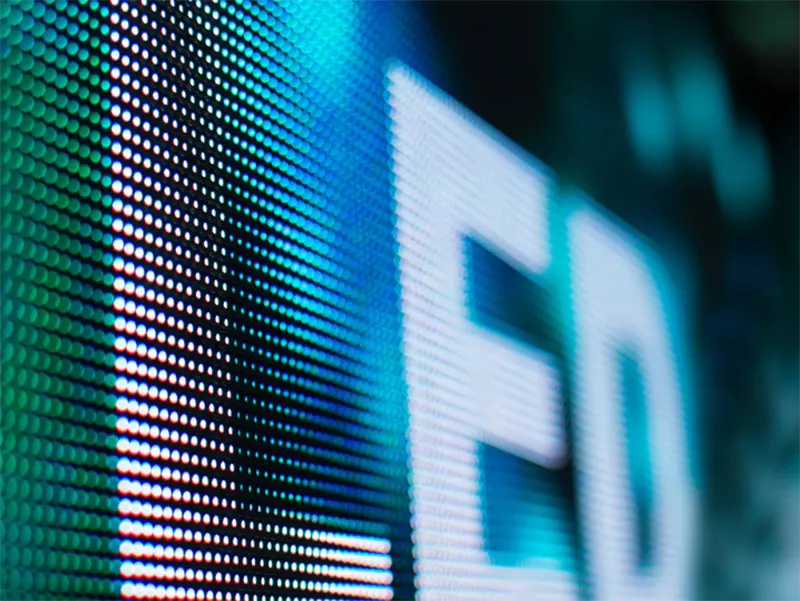
SMD stands for Surface Mounted Device.
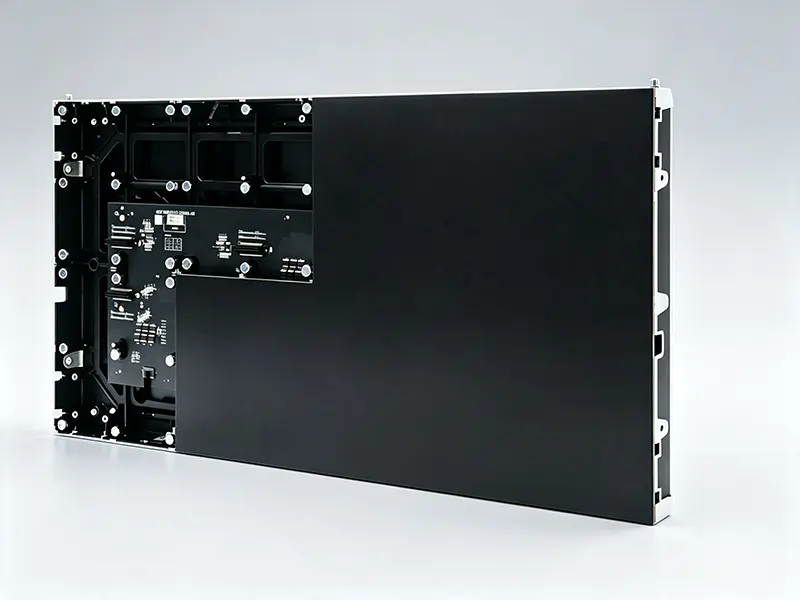
In an SMD LED package, the red, green, and blue LED chips are integrated into a single compact housing and mounted directly onto the PCB surface.
This design allows thousands or even millions of LED pixels to work together to create high-resolution images and videos.
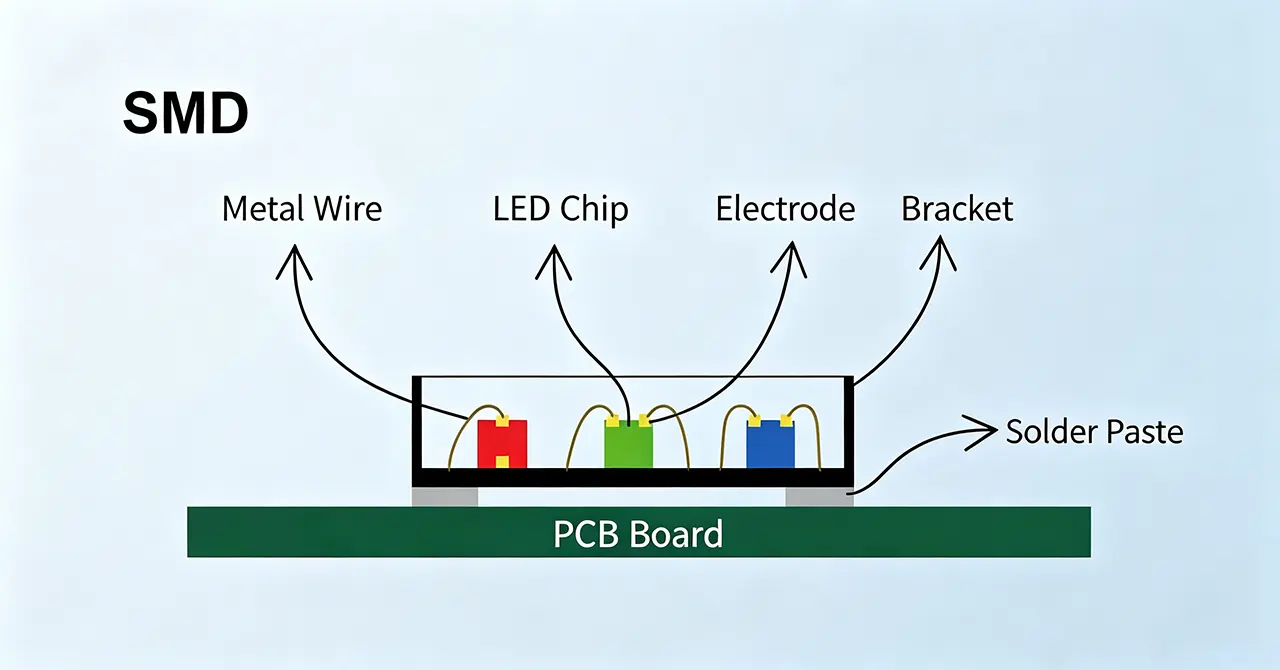
Main Components of an SMD LED
| Component | Function |
|---|---|
| Red Chip | Produces red light |
| Green Chip | Produces green light |
| Blue Chip | Produces blue light |
| Bonding Wire | Connects chips to electrodes |
| Reflective Cup | Improves light efficiency |
| Encapsulation Layer | Protects LED chips |
| Lead Frame | Electrical connection |
By controlling the brightness of each RGB chip, the display can reproduce millions of colors.
Why Did SMD Technology Replace DIP?
Before SMD became mainstream, most LED displays used DIP technology.
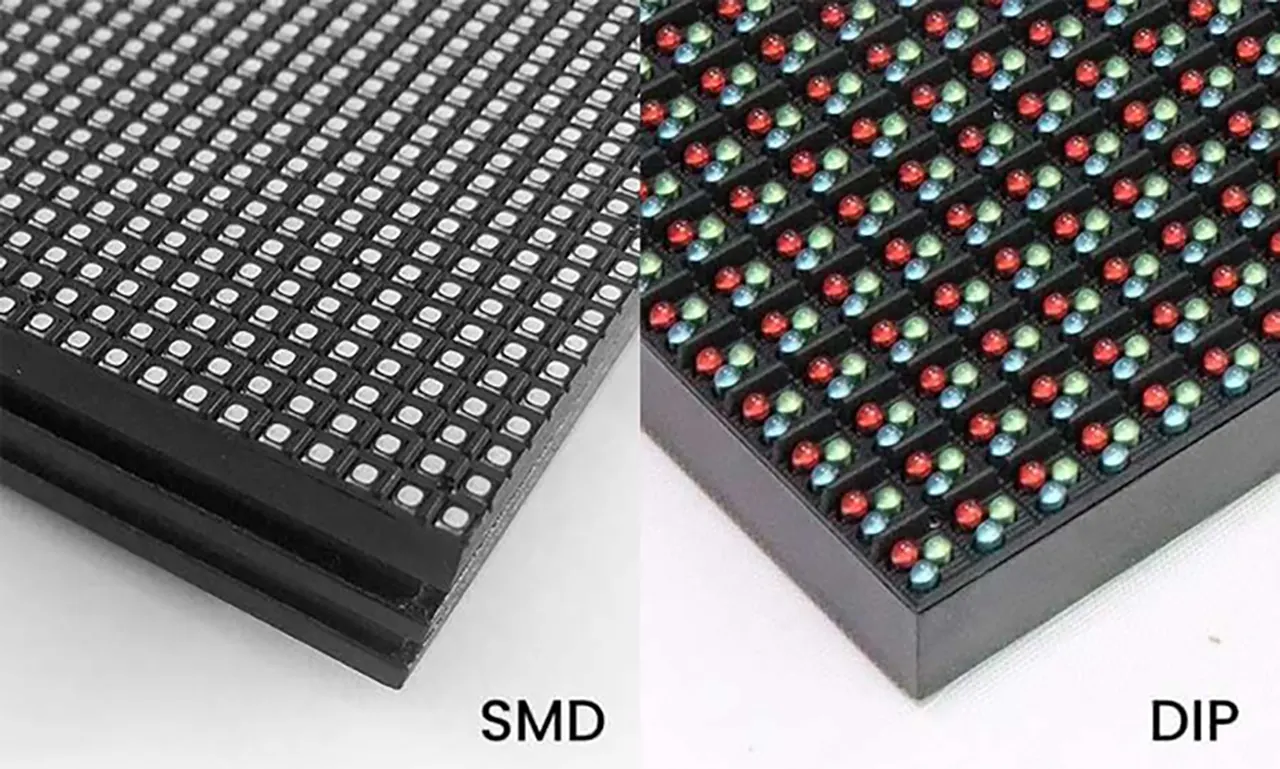
DIP LEDs provided excellent brightness but had several limitations:
- Lower pixel density
- Narrow viewing angles
- Less accurate color reproduction
- Bulkier design
SMD technology solved these challenges by integrating RGB chips into a much smaller package.
SMD vs DIP Comparison
| Feature | SMD | DIP |
|---|---|---|
| Viewing Angle | Up to 160° | Typically 90°–120° |
| Resolution | High | Limited |
| Color Uniformity | Excellent | Moderate |
| Indoor Applications | Excellent | Rare |
| Outdoor Applications | Common | Common |
| Fine Pixel Pitch | Excellent | Poor |
Today, SMD technology dominates almost all indoor LED display applications and many outdoor installations.
How SMD LEDs Are Manufactured
Understanding the manufacturing process helps explain why LED quality varies significantly between suppliers.
Step 1: Die Bonding
RGB semiconductor chips are attached to the lead frame.
Step 2: Wire Bonding
Microscopic gold or copper wires connect the chips electrically.
Step 3: Encapsulation
Silicone or epoxy protects the chips from moisture and mechanical damage.
Step 4: Optical Binning
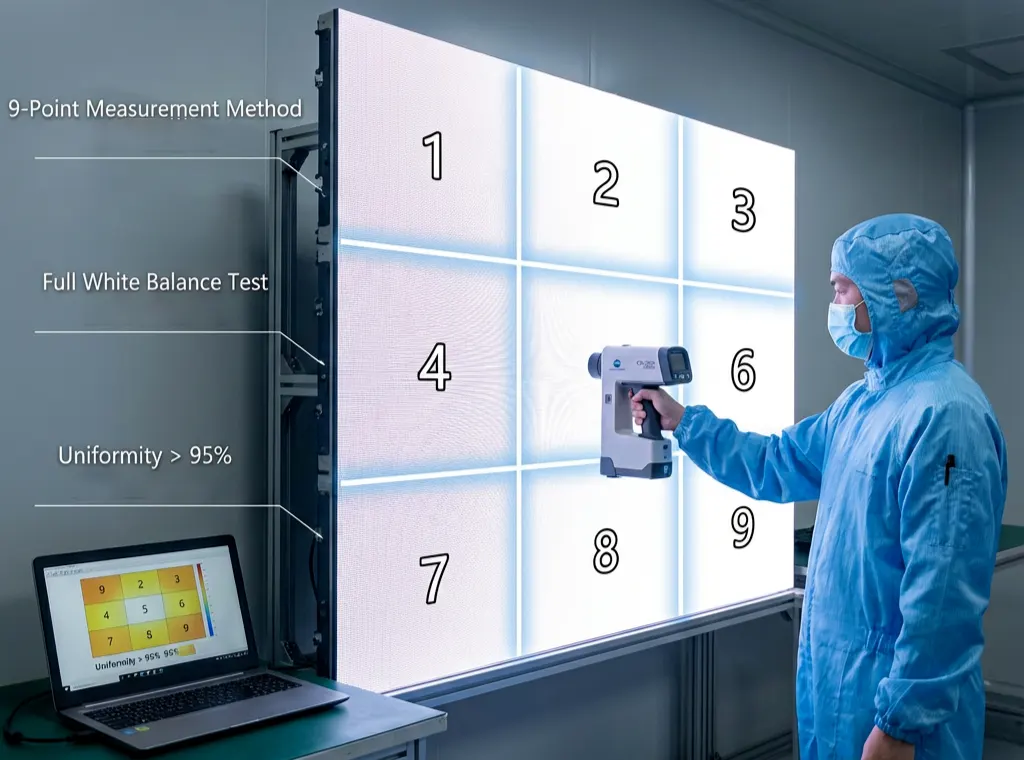
LEDs are sorted by brightness and wavelength to ensure color consistency.
Step 5: SMT Mounting
Automated SMT machines place the LEDs onto the PCB.
Step 6: Aging Test
Finished modules undergo burn-in testing to identify early failures.
Manufacturing precision at each stage directly impacts display quality and lifespan.
Common SMD Package Types
Not all SMD LEDs are the same. Different package sizes are designed for different pixel pitches and applications.
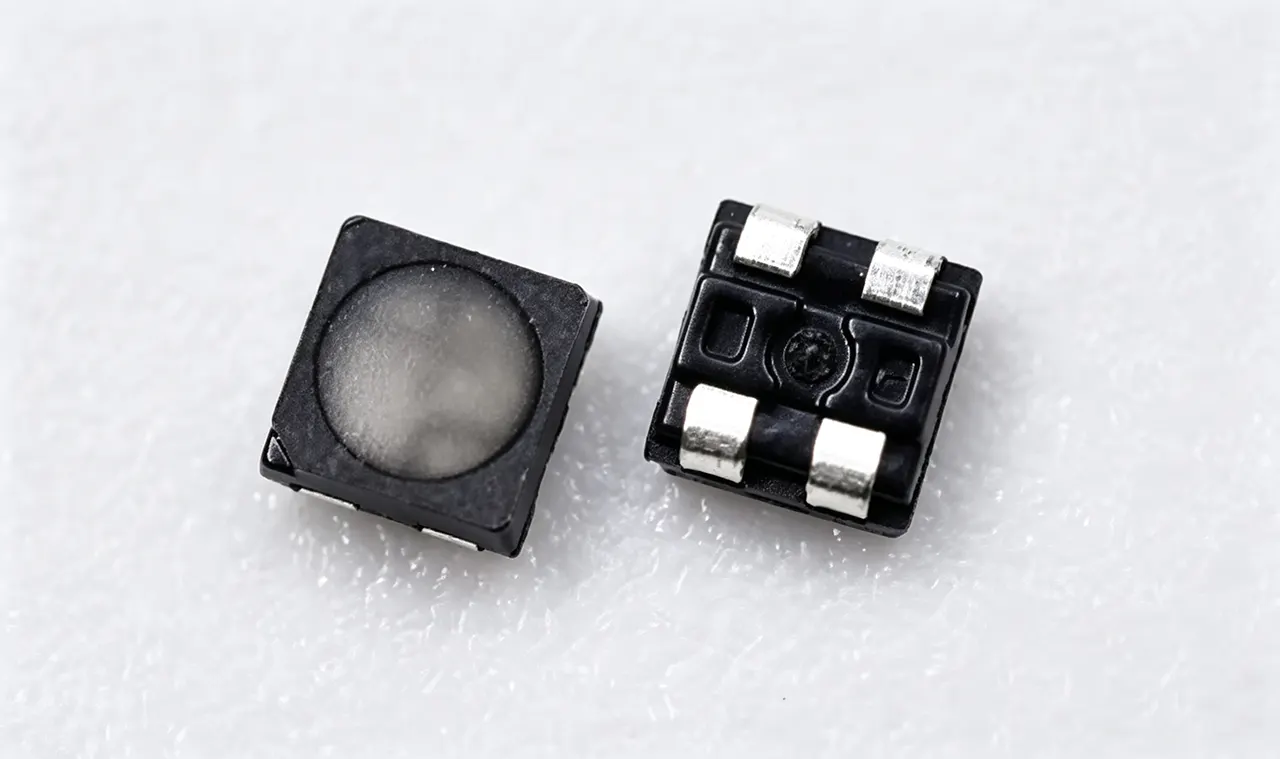
| Package Type | Package Size | Typical Pixel Pitch |
|---|---|---|
| SMD1010 | 1.0 × 1.0 mm | P0.9 – P1.25 |
| SMD1212 | 1.2 × 1.2 mm | P1.2 – P1.5 |
| SMD1515 | 1.5 × 1.5 mm | P1.5 – P1.9 |
| SMD2020 | 2.0 × 2.0 mm | P2 – P3 |
| SMD2121 | 2.1 × 2.1 mm | P2.5 – P4 |
| SMD2727 | 2.7 × 2.7 mm | P4 – P6 |
| SMD3535 | 3.5 × 3.5 mm | P6 – P10 |
As pixel pitch becomes smaller, manufacturers use smaller SMD packages to achieve higher resolution.
Key Advantages of SMD LED Technology
1. Wide Viewing Angles
SMD LEDs typically provide viewing angles up to:
- 160° Horizontal
- 160° Vertical
This ensures viewers see consistent colors and brightness from different positions.
2. Excellent Image Quality
The compact RGB package allows:
- Higher pixel density
- Better color uniformity
- Smoother gradients
- Sharper images
This is especially important for close-viewing applications such as meeting rooms and broadcast studios.
3. Fine Pixel Pitch Capability
SMD technology supports ultra-fine pixel pitches, enabling:
- Full HD displays
- 4K video walls
- 8K display systems
Even large screens can maintain exceptional image clarity.
4. Mature and Reliable Technology
SMD has been used commercially for decades.
Benefits include:
- Stable supply chains
- Proven reliability
- Easy maintenance
- Competitive pricing
Factors That Affect SMD Display Quality
Not all LED displays deliver the same performance.
Several factors influence quality.
LED Brand
High-quality LEDs generally provide:
- Better color consistency
- Lower dead-pixel rates
- Longer lifespan
Many premium displays use LEDs from leading packaging manufacturers.
Black-Face LEDs
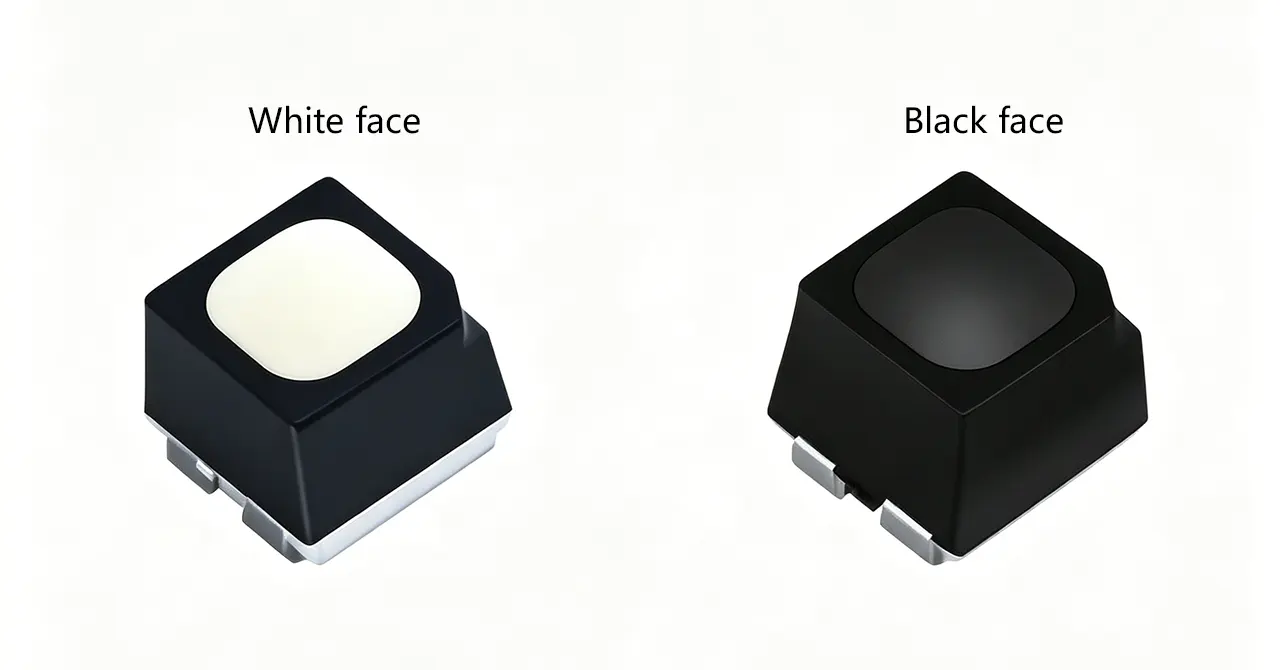
Black LED packages reduce ambient light reflection.
Benefits:
- Higher contrast
- Better black levels
- Improved HDR performance
Binning Consistency
Strict brightness and wavelength sorting reduces visible color variation across the display.
Typical Applications of SMD LED Displays
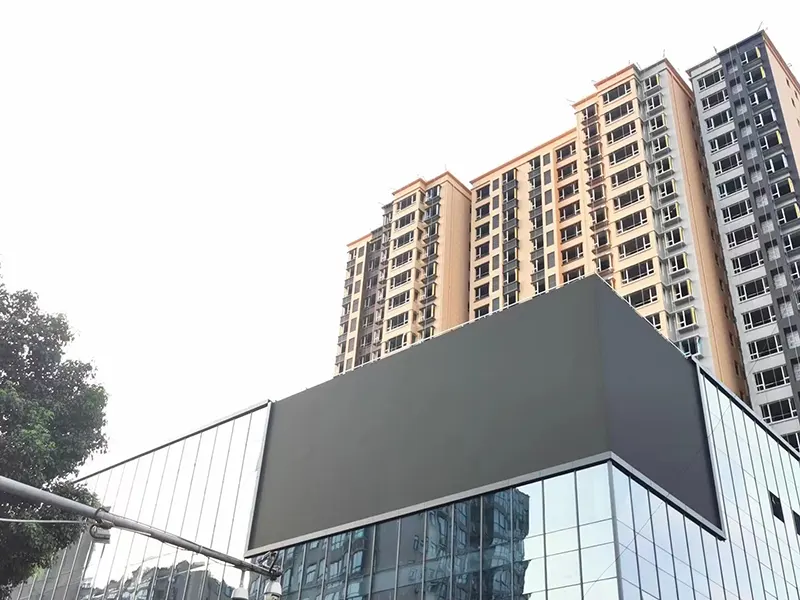
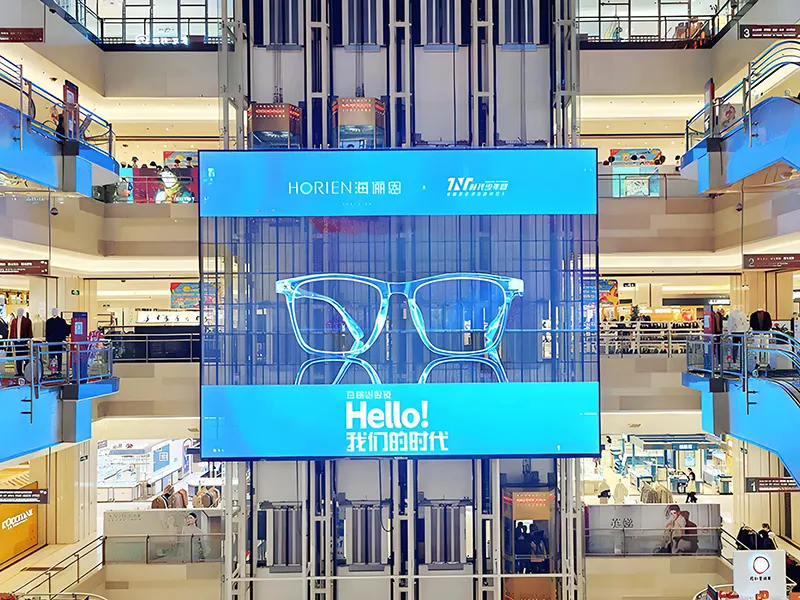
Corporate Meeting Rooms
High-definition presentations and video conferencing.
Retail Stores
Dynamic advertising and customer engagement.
Broadcast Studios
Accurate color reproduction and smooth video playback.
Control Rooms
Real-time monitoring and mission-critical visualization.
Education
Interactive classrooms and lecture halls.
Exhibition and Events
Flexible and visually impactful display solutions.
Are There Any Limitations to SMD Technology?
While SMD remains the most widely used LED packaging technology, it does have some limitations.
Surface Exposure
The LED package remains exposed on the display surface, making it more vulnerable to:
- Physical impact
- Dust contamination
- Moisture ingress
Ultra-Fine Pixel Pitch
For pixel pitches below P1.2, newer technologies such as COB are becoming increasingly popular due to enhanced protection and contrast performance.
However, for most commercial projects, SMD continues to offer the best balance between performance and cost.
Frequently Asked Questions
1. What does SMD stand for?
SMD stands for Surface Mounted Device, a packaging technology where RGB LED chips are integrated into a single package mounted directly onto a PCB.
2. Is SMD better than DIP?
For most indoor applications, yes. SMD provides higher resolution, wider viewing angles, and better color performance.
3. Can SMD be used outdoors?
Yes. Packages such as SMD2727 and SMD3535 are commonly used in outdoor LED displays.
4. How long do SMD LEDs last?
A high-quality SMD LED display can typically achieve 50,000–100,000 hours of operation under proper conditions.
5. Is SMD or COB better?
Neither is universally better. SMD offers lower cost and easier maintenance, while COB provides improved protection and contrast for ultra-fine pixel pitches.
Ready to Choose the Right LED Display?
Whether you’re planning a conference room video wall, retail digital signage, or a large-scale commercial LED installation, selecting the right SMD LED solution is critical to long-term performance.
Contact Us today to discuss your project requirements and receive expert recommendations tailored to your application, viewing distance, and budget.
What Is SMD LED Technology?
A Complete Guide for LED Display Buyers
Introduction
When evaluating an LED display, one of the first technical terms you will encounter is SMD LED technology.
Whether you are purchasing an indoor video wall, a retail display, a conference room screen, or an outdoor advertising display, understanding SMD technology can help you make a better buying decision.
SMD (Surface Mounted Device) technology has been the industry standard for LED displays for more than two decades. It offers an excellent balance of image quality, reliability, manufacturing maturity, and cost-effectiveness.
In this guide, you’ll learn:
- What SMD LED technology is
- How SMD LEDs work
- Why SMD displays dominate the market
- Common SMD package types
- Advantages and limitations
- Typical applications
- Frequently asked questions
Contact Us to Discuss Your Project Today
What Is SMD LED Technology?
SMD stands for Surface Mounted Device.
In an SMD LED package, the red, green, and blue LED chips are integrated into a single compact housing and mounted directly onto the PCB surface.
This design allows thousands or even millions of LED pixels to work together to create high-resolution images and videos.
Main Components of an SMD LED
| Component | Function |
|---|---|
| Red Chip | Produces red light |
| Green Chip | Produces green light |
| Blue Chip | Produces blue light |
| Bonding Wire | Connects chips to electrodes |
| Reflective Cup | Improves light efficiency |
| Encapsulation Layer | Protects LED chips |
| Lead Frame | Electrical connection |
By controlling the brightness of each RGB chip, the display can reproduce millions of colors.
Why Did SMD Technology Replace DIP?
Before SMD became mainstream, most LED displays used DIP technology.
DIP LEDs provided excellent brightness but had several limitations:
- Lower pixel density
- Narrow viewing angles
- Less accurate color reproduction
- Bulkier design
SMD technology solved these challenges by integrating RGB chips into a much smaller package.
SMD vs DIP Comparison
| Feature | SMD | DIP |
|---|---|---|
| Viewing Angle | Up to 160° | Typically 90°–120° |
| Resolution | High | Limited |
| Color Uniformity | Excellent | Moderate |
| Indoor Applications | Excellent | Rare |
| Outdoor Applications | Common | Common |
| Fine Pixel Pitch | Excellent | Poor |
Today, SMD technology dominates almost all indoor LED display applications and many outdoor installations.
How SMD LEDs Are Manufactured
Understanding the manufacturing process helps explain why LED quality varies significantly between suppliers.
Step 1: Die Bonding
RGB semiconductor chips are attached to the lead frame.
Step 2: Wire Bonding
Microscopic gold or copper wires connect the chips electrically.
Step 3: Encapsulation
Silicone or epoxy protects the chips from moisture and mechanical damage.
Step 4: Optical Binning
LEDs are sorted by brightness and wavelength to ensure color consistency.
Step 5: SMT Mounting
Automated SMT machines place the LEDs onto the PCB.
Step 6: Aging Test
Finished modules undergo burn-in testing to identify early failures.
Manufacturing precision at each stage directly impacts display quality and lifespan.
Common SMD Package Types
Not all SMD LEDs are the same. Different package sizes are designed for different pixel pitches and applications.
| Package Type | Package Size | Typical Pixel Pitch |
|---|---|---|
| SMD1010 | 1.0 × 1.0 mm | P0.9 – P1.25 |
| SMD1212 | 1.2 × 1.2 mm | P1.2 – P1.5 |
| SMD1515 | 1.5 × 1.5 mm | P1.5 – P1.9 |
| SMD2020 | 2.0 × 2.0 mm | P2 – P3 |
| SMD2121 | 2.1 × 2.1 mm | P2.5 – P4 |
| SMD2727 | 2.7 × 2.7 mm | P4 – P6 |
| SMD3535 | 3.5 × 3.5 mm | P6 – P10 |
As pixel pitch becomes smaller, manufacturers use smaller SMD packages to achieve higher resolution.
Key Advantages of SMD LED Technology
1. Wide Viewing Angles
SMD LEDs typically provide viewing angles up to:
- 160° Horizontal
- 160° Vertical
This ensures viewers see consistent colors and brightness from different positions.
2. Excellent Image Quality
The compact RGB package allows:
- Higher pixel density
- Better color uniformity
- Smoother gradients
- Sharper images
This is especially important for close-viewing applications such as meeting rooms and broadcast studios.
3. Fine Pixel Pitch Capability
SMD technology supports ultra-fine pixel pitches, enabling:
- Full HD displays
- 4K video walls
- 8K display systems
Even large screens can maintain exceptional image clarity.
4. Mature and Reliable Technology
SMD has been used commercially for decades.
Benefits include:
- Stable supply chains
- Proven reliability
- Easy maintenance
- Competitive pricing
Factors That Affect SMD Display Quality
Not all LED displays deliver the same performance.
Several factors influence quality.
LED Brand
High-quality LEDs generally provide:
- Better color consistency
- Lower dead-pixel rates
- Longer lifespan
Many premium displays use LEDs from leading packaging manufacturers.
Black-Face LEDs
Black LED packages reduce ambient light reflection.
Benefits:
- Higher contrast
- Better black levels
- Improved HDR performance
Binning Consistency
Strict brightness and wavelength sorting reduces visible color variation across the display.
Typical Applications of SMD LED Displays
Corporate Meeting Rooms
High-definition presentations and video conferencing.
Retail Stores
Dynamic advertising and customer engagement.
Broadcast Studios
Accurate color reproduction and smooth video playback.
Control Rooms
Real-time monitoring and mission-critical visualization.
Education
Interactive classrooms and lecture halls.
Exhibition and Events
Flexible and visually impactful display solutions.
Are There Any Limitations to SMD Technology?
While SMD remains the most widely used LED packaging technology, it does have some limitations.
Surface Exposure
The LED package remains exposed on the display surface, making it more vulnerable to:
- Physical impact
- Dust contamination
- Moisture ingress
Ultra-Fine Pixel Pitch
For pixel pitches below P1.2, newer technologies such as COB are becoming increasingly popular due to enhanced protection and contrast performance.
However, for most commercial projects, SMD continues to offer the best balance between performance and cost.
Frequently Asked Questions
1. What does SMD stand for?
SMD stands for Surface Mounted Device, a packaging technology where RGB LED chips are integrated into a single package mounted directly onto a PCB.
2. Is SMD better than DIP?
For most indoor applications, yes. SMD provides higher resolution, wider viewing angles, and better color performance.
3. Can SMD be used outdoors?
Yes. Packages such as SMD2727 and SMD3535 are commonly used in outdoor LED displays.
4. How long do SMD LEDs last?
A high-quality SMD LED display can typically achieve 50,000–100,000 hours of operation under proper conditions.
5. Is SMD or COB better?
Neither is universally better. SMD offers lower cost and easier maintenance, while COB provides improved protection and contrast for ultra-fine pixel pitches.
Ready to Choose the Right LED Display?
Whether you’re planning a conference room video wall, retail digital signage, or a large-scale commercial LED installation, selecting the right SMD LED solution is critical to long-term performance.
Contact Us today to discuss your project requirements and receive expert recommendations tailored to your application, viewing distance, and budget.


 +86 19075683597
 Shenzhen, China